
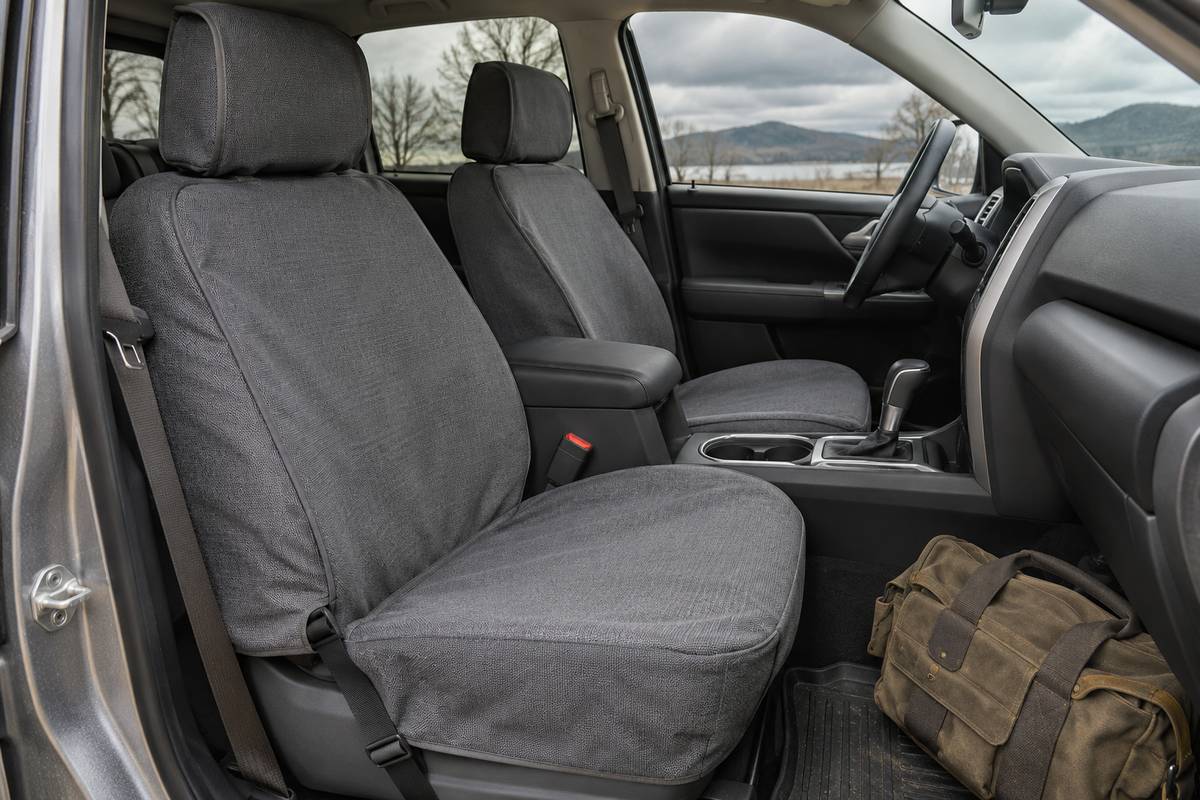
A vehicle’s interior experiences constant exposure to dirt, moisture, sunlight, friction, and accidental spills. Even drivers who take good care of their vehicles may notice fading upholstery, worn seat surfaces, scratched panels, and stained carpets over time.
Protecting your car’s interior does not necessarily require expensive upgrades or professional detailing. Incorporating a few practical accessories and maintenance habits into your routine can help preserve its appearance, functionality, and comfort throughout years of ownership.
Invest in Quality Car Seat Covers
Vehicle seats are among the most frequently used interior surfaces, making them particularly vulnerable to deterioration. Daily commutes, food spills, perspiration, and friction from clothing can gradually affect the condition of factory upholstery.
Investing in reliable automotive seat protection helps create a protective barrier against these common sources of damage while maintaining a comfortable seating environment.
When choosing car seat covers, consider:
- Durable and abrasion-resistant materials
- Water and stain resistance
- Vehicle-specific fit
- Ease of cleaning and maintenance
- Breathability and comfort
- Compatibility with integrated seat features
Selecting seat covers that complement your lifestyle can help minimize premature upholstery wear and reduce cleaning expenses.
Install All-Weather Floor Mats
Vehicle carpets are constantly exposed to dirt, mud, rainwater, food crumbs, and debris carried inside by passengers. Without adequate protection, these contaminants can become embedded in carpet fibers and create difficult-to-remove stains.
All-weather floor mats provide a practical barrier between footwear and factory carpeting. Unlike traditional carpet mats, they are generally easier to remove, rinse, and clean.
Look for properly fitted floor mats with raised edges that help contain liquids and debris. Ensure that they are securely installed and do not interfere with pedal operation.
Reduce Exposure to Direct Sunlight
Prolonged exposure to sunlight can contribute to fading, cracking, and discoloration across vehicle interiors. Dashboards, leather upholstery, plastic panels, and steering wheels may be particularly susceptible.
To minimize sun-related damage:
- Park in shaded or covered areas whenever possible.
- Use a windshield sunshade when parking outdoors.
- Consider window tinting that complies with local regulations.
- Apply appropriate UV-protective products to compatible interior surfaces.
- Use seat covers to reduce direct exposure to factory upholstery.
These preventive measures can help maintain the appearance of interior materials while reducing excessive heat buildup.
Clean Up Spills Immediately
Leaving spilled beverages, food, or moisture unattended can result in permanent stains and unpleasant odors. Certain liquids may also penetrate upholstery and become difficult to remove.
When a spill occurs, blot the affected area with a clean, absorbent cloth rather than rubbing it into the material. Use a cleaning solution suitable for the affected surface and follow the manufacturer’s care instructions.
Keeping microfiber towels and appropriate interior cleaning supplies in your vehicle can make unexpected spills easier to manage.
Protect High-Contact Interior Surfaces
Certain areas of a vehicle experience more frequent contact than others. These surfaces may develop scratches, discoloration, or visible wear even when the rest of the interior remains in good condition.
Common high-contact areas include:
- Driver’s seat bolsters
- Center console armrests
- Door handles and panels
- Steering wheel
- Gear selector
- Door sill areas
- Cup holders
Regular cleaning and suitable protective accessories can help reduce deterioration in these frequently used areas.
Establish a Consistent Interior Cleaning Routine
Waiting until your vehicle becomes noticeably dirty can make cleaning more time-consuming and difficult. Regular maintenance prevents contaminants from accumulating and becoming embedded in interior materials.
A simple cleaning schedule can help keep your vehicle in good condition.
| Cleaning Frequency | Recommended Tasks |
| Daily | Remove trash, food wrappers, and visible spills. |
| Weekly | Vacuum seats, carpets, and floor mats. |
| Monthly | Clean dashboards, door panels, consoles, and cup holders. |
| Every three to six months | Deep-clean upholstery and inspect protective accessories. |
| As needed | Wash removable seat covers and address stubborn stains. |
Adjust your cleaning schedule based on how frequently you drive and the conditions your vehicle encounters.
Use Cleaning Products Appropriate for Each Material
Not all interior surfaces require the same cleaning products. Using unsuitable chemicals can cause discoloration, drying, residue buildup, or surface damage.
Different materials require different maintenance approaches.
| Interior Material | Recommended Care |
| Fabric upholstery | Vacuum regularly and use suitable fabric cleaners. |
| Leather | Use manufacturer-approved leather cleaning and conditioning products. |
| Vinyl | Clean with a mild, compatible surface cleaner. |
| Plastic panels | Use a nonabrasive interior cleaner. |
| Carpet | Vacuum and spot-clean stains promptly. |
| Touchscreens | Follow the vehicle manufacturer’s screen-cleaning instructions. |
Avoid harsh chemicals and abrasive cleaning tools unless specifically recommended for the material.
Keep Food and Beverages Under Control
Eating and drinking inside a vehicle increases the likelihood of spills, stains, crumbs, and lingering odors. While avoiding food completely may not be practical, small adjustments can help minimize mess.
Consider using:
- Spill-resistant travel mugs
- Secure beverage containers
- Food storage containers
- Car organizers
- Small vehicle trash bins
Families with children and drivers who frequently eat on the road may also benefit from waterproof seat covers and removable floor mats.
Protect Your Interior When Transporting Pets
Pets can introduce additional challenges, including shedding, muddy paws, scratches, and moisture. Frequent pet transportation without adequate protection may accelerate upholstery deterioration.
Pet owners can help maintain their vehicle interiors by:
- Installing durable, pet-friendly seat covers.
- Grooming pets before long journeys.
- Keeping towels available for muddy or wet paws.
- Vacuuming pet hair regularly.
- Using washable cargo liners and floor protectors.
- Using appropriate pet travel restraints.
These measures can make traveling with pets more convenient while simplifying interior maintenance.
Organize Cargo and Personal Belongings
Loose tools, groceries, sports equipment, and other belongings can shift during travel and damage seating surfaces or interior panels.
Cargo organizers, storage bins, and protective liners help keep belongings contained. Heavy or sharp objects should be properly secured in designated storage areas rather than placed directly on upholstery.
Maintaining an organized interior can also reduce clutter and make routine cleaning easier.
Address Minor Damage Before It Worsens
Small tears, loose stitching, scratches, and worn upholstery should be addressed before they develop into more extensive problems.
Inspect your vehicle’s interior periodically for signs of deterioration, particularly in areas that experience frequent use. Early maintenance or professional repairs may help prevent more costly restoration work later.
Protective accessories should also be inspected regularly and replaced when they no longer provide adequate coverage.
Common Mistakes That Accelerate Car Interior Wear
Certain everyday habits can contribute to premature interior deterioration without drivers realizing it.
Common mistakes include:
- Leaving vehicles exposed to direct sunlight for extended periods.
- Allowing spills and stains to remain untreated.
- Using abrasive or incompatible cleaning products.
- Placing sharp objects directly on vehicle seats.
- Neglecting regular vacuuming.
- Leaving wet clothing and towels inside the vehicle.
- Ignoring early signs of upholstery damage.
Avoiding these habits can help extend the lifespan of interior materials and reduce maintenance requirements.
Conclusion
Protecting your vehicle’s interior from daily wear and tear requires a combination of preventive accessories, proper cleaning techniques, and consistent maintenance habits.
Quality seat covers, all-weather floor mats, sun protection, and organized storage can significantly reduce exposure to common sources of interior damage. By taking proactive measures, vehicle owners can maintain a cleaner, more comfortable interior, minimize potential repair costs, and help preserve their vehicle’s overall value over time.

AUTHOR
Lovel is a contributor at OC Partnership, focusing on business trends, marketing, technology developments, and industry insights that help professionals stay informed and make better decisions. With a practical, research-driven approach, Lovel delivers clear and accessible content designed for business owners, marketers, and professionals.