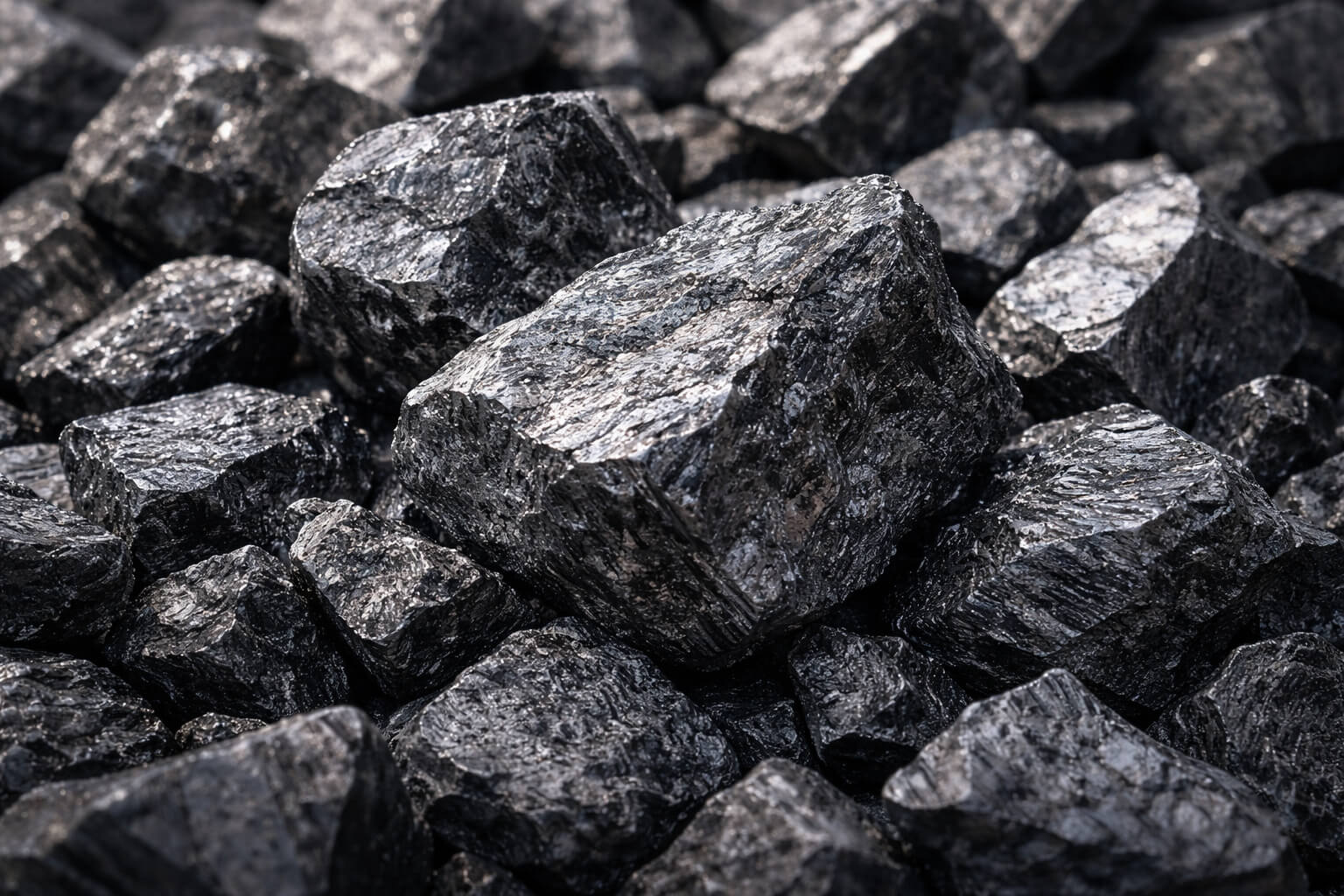
The electric vehicle revolution is breathing new life into an unexpected corner of American mining: graphite extraction. As battery manufacturers scramble to secure reliable sources of this critical mineral, domestic graphite projects are attracting unprecedented investment and regulatory attention across the United States.
The Graphite-Battery Connection Driving New Interest
Natural graphite serves as a crucial component in lithium-ion battery anodes, comprising up to 95% of the anode material by weight. Each electric vehicle battery requires approximately 50-100 kilograms of graphite, making it one of the most volume-intensive materials in EV production. This massive demand is reshaping how mining companies and investors view previously dormant American graphite deposits.
The timing couldn’t be more critical. Global graphite demand is projected to increase by 500% over the next decade, driven primarily by electric vehicle adoption and energy storage systems. Currently, China dominates graphite processing, controlling roughly 70% of the world’s natural graphite supply and nearly 100% of spherical graphite production used in batteries.
Supply Chain Vulnerabilities Expose Opportunities
Recent geopolitical tensions have highlighted the risks of depending heavily on Chinese graphite supplies. The Biden administration’s Inflation Reduction Act specifically incentivizes domestic battery material production, offering tax credits for EVs containing batteries made with domestically sourced materials. These policy shifts are making previously uneconomical US graphite projects suddenly attractive to investors.
Alabama, Alaska, and Montana are emerging as key battlegrounds for American graphite development. In Alabama, Westwater Resources is advancing its Coosa Graphite Project, which could become one of the largest natural graphite operations outside of China. The project sits atop an estimated 41.3 million tons of graphite-bearing rock, potentially supplying enough material for millions of EV batteries annually.
Technical Challenges and Processing Innovations
Mining graphite is only half the equation. The mineral must undergo extensive processing to meet battery-grade specifications, including purification to 99.95% carbon content and transformation into spherical particles. This processing expertise has traditionally been concentrated in China, creating a significant knowledge gap for Western companies.
Syrah Resources has been pioneering solutions to this challenge through its operations in Mozambique and processing facility in Louisiana. Their Vidalia facility represents the first large-scale graphite processing plant in North America, demonstrating that the technical barriers to domestic processing can be overcome with sufficient investment and expertise.
Environmental considerations are also driving innovation in graphite processing. Traditional purification methods rely heavily on hydrofluoric acid, creating environmental concerns that new facilities must address through advanced waste treatment and containment systems.
Market Dynamics Favor Domestic Production
The economics of graphite mining have fundamentally shifted due to transportation costs and supply chain security concerns. Shipping graphite from China to North American battery plants adds significant logistics expenses and introduces supply chain vulnerabilities that automakers are increasingly unwilling to accept.
Tesla and other major EV manufacturers are actively seeking long-term supply agreements with North American graphite producers, offering the revenue certainty that mining companies need to justify large capital investments. These partnerships often include technical support and quality specifications that help ensure the final product meets automotive-grade standards.
Investment Capital Flows Into Dormant Projects
Venture capital and private equity firms are now funding graphite exploration projects that were shelved during previous decades of low commodity prices. The Northern Graphite Corporation recently secured funding to restart its Bissett Creek project in Ontario, while multiple Alaska-based ventures are attracting investment for previously unexplored deposits.
The revival extends beyond major mining operations to include smaller-scale projects focused on specialized graphite applications. Some companies are targeting high-purity graphite for semiconductor and aerospace applications, diversifying beyond the automotive market.

AUTHOR
Lovel is a contributor at OC Partnership, focusing on business trends, marketing, technology developments, and industry insights that help professionals stay informed and make better decisions. With a practical, research-driven approach, Lovel delivers clear and accessible content designed for business owners, marketers, and professionals.